
On the 3rd of December, Lukas van Herk will be defending his PhD dissertation to obtain the degree of Doctor at Utrecht University.
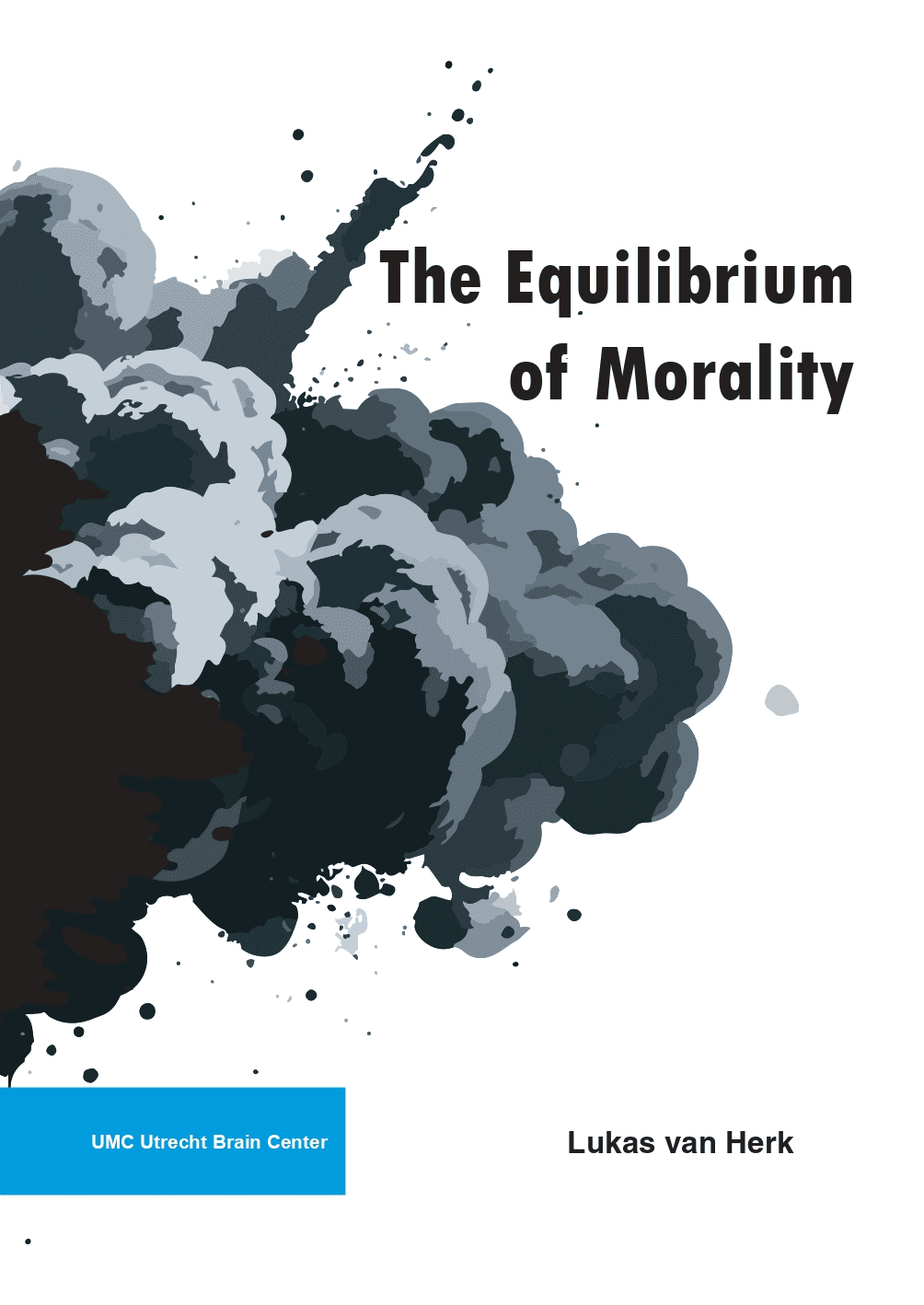
Image: © EC
Summary of the Dissertation
Stress is an important biological process that prepares us for potential danger. When we perceive something as dangerous, several stress molecules are released in the body. Your heart beats faster, your palms become sweaty, and you become more alert. While these responses prepare the body to deal with challenging situations, stress can also make it harder to perform well under pressure and increase the likelihood of mistakes. This is particularly important in professions where people are frequently exposed to stressful situations, such as the military.
In this dissertation, Lukas van Herk researched how certain stress molecules affect decisionmaking processes in military personnel on active duty.
First, the scientific literature was examined to discover which stress molecules play a key role in decision-making. After carefully analysing 44 relevant articles, the two molecules noradrenaline and cortisol were found to mostly affect decision-making negatively. Furthermore, these stress molecules were able to be administered pharmacologically and reliably mimic an acute stress response. Next, civilians and military personnel were compared in their moral decision-making capabilities, while also looking for predictors in moral decision-making. Female civilians were more likely than female military personnel to favour decisions that benefit the greatest number of people. However, moral decision-making could not be reliably predicted.
Moreover, a study was carried out in which acute stress was mimicked pharmacologically, by increasing noradrenaline and cortisol in military personnel. Moral decision-making was unaffected by these stress molecules, however, certainty about these moral decisions was decreased by cortisol.
Similarly, noradrenaline was found to increase risk-taking behaviour and slow working memory, while cortisol actually accelerated working memory. These findings emphasise how different stress molecules affect decision-making processes differentially in military personnel. Future strategies to prevent potential negative effects of stress, in both military personnel and other professions, can use these results as a foundation.